Smart Glasses Reading Distance Reminder: Sourcing Guide for B2B Buyers
2026-10-13
- Local packaging
- Small MOQ
- MOQ
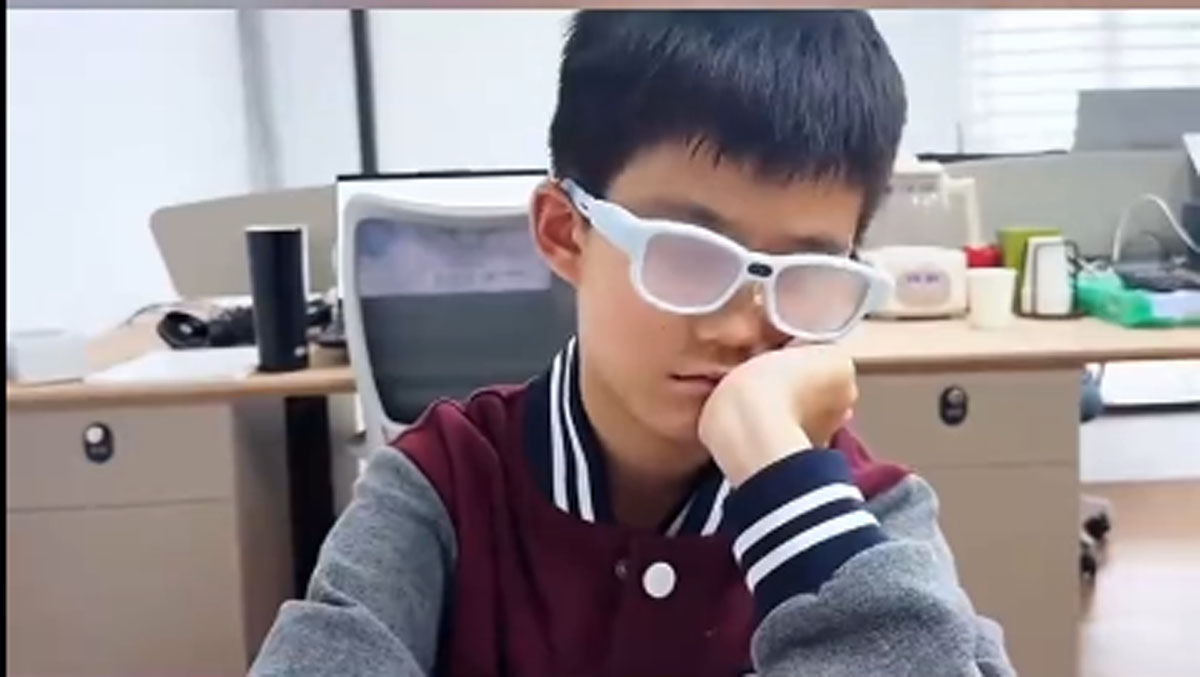
For overseas distributors, OEM buyers, and Amazon sellers, here is one product idea worth a closer look: AI myopia-control glasses that make the lens blur when a child reads or writes too close. When the distance returns to normal, the view clears again.
The core is a clip-on module. It attaches magnetically to the glasses, so the frame stays a normal pair of glasses. Inside are high-precision sensors and a gyroscope that track the distance between the child and the book in real time. If the reading distance gets too close, a liquid crystal layer on the lens blurs the view. The child feels it directly and corrects the posture. The maker's view is simple: a data alert to parents is not enough. The child has to feel "I can't see clearly" to change the habit.
The module weighs about 30g, and battery life is 24 to 40 hours. A mini program records eye-use data so parents can see the pattern. The glasses work with common myopia-control lenses, such as defocus lenses and OK lenses. The maker does not position this as a replacement for those methods, but as an electronic layer on top.
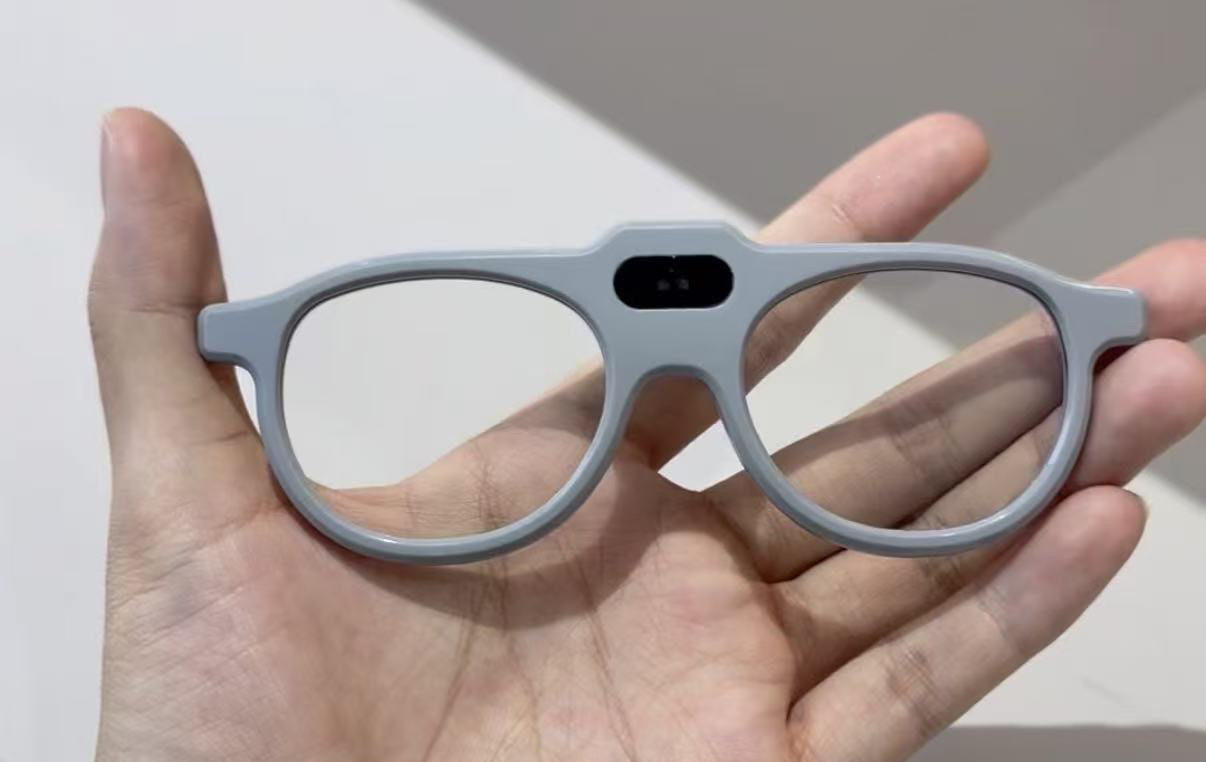
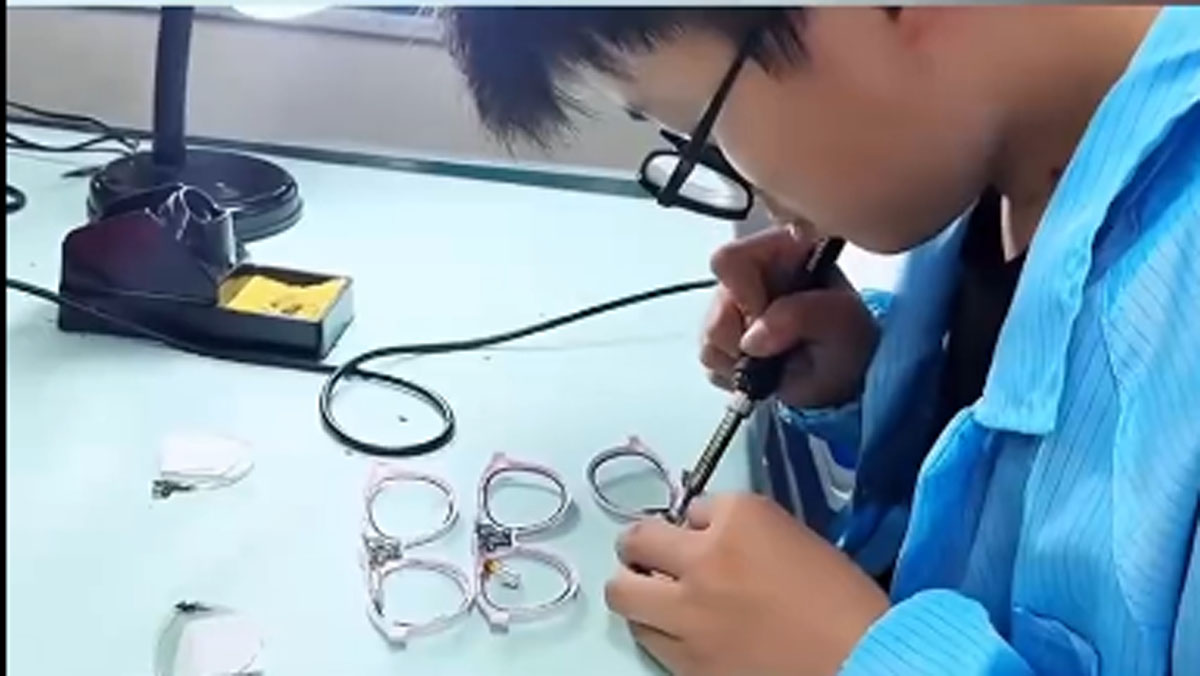
The product went through four or five major redesigns. The market version is now in its third generation, with a standard version and a 1.5 upgrade. Early prototypes failed on power draw, weight, and fitting in ordinary optical shops. The magnetic clip-on design solved the fitting problem. With the module removed, the frame is under 20g.
It targets children aged 4 to 16. Retail pricing in China runs from RMB 980 to RMB 3000, depending on custom lenses. Sales are mainly in Shanghai, and the company says monthly demand has passed its planned output of 2000 units. Monthly sales are reported at 3000 to 5000 units. Overseas samples sent to Korea, Singapore, and Japan drew interest, and overseas agents have asked about cooperation. The company says it is open to sharing the technology rather than blocking copiers.
For B2B buyers, the open points are OEM terms, packaging, logo, MOQ, trial order size, and certification for your market. Those details are to confirm. If you want to test this category, send us your target market and volume, and we can quote and sample from the Shenzhen line.